This blog follows the success story of the El Cajon Boulevard Safety Improvements Workshop hosted in San Diego, California, a project led by Bike San Diego and made possible by a Community Change Grant.
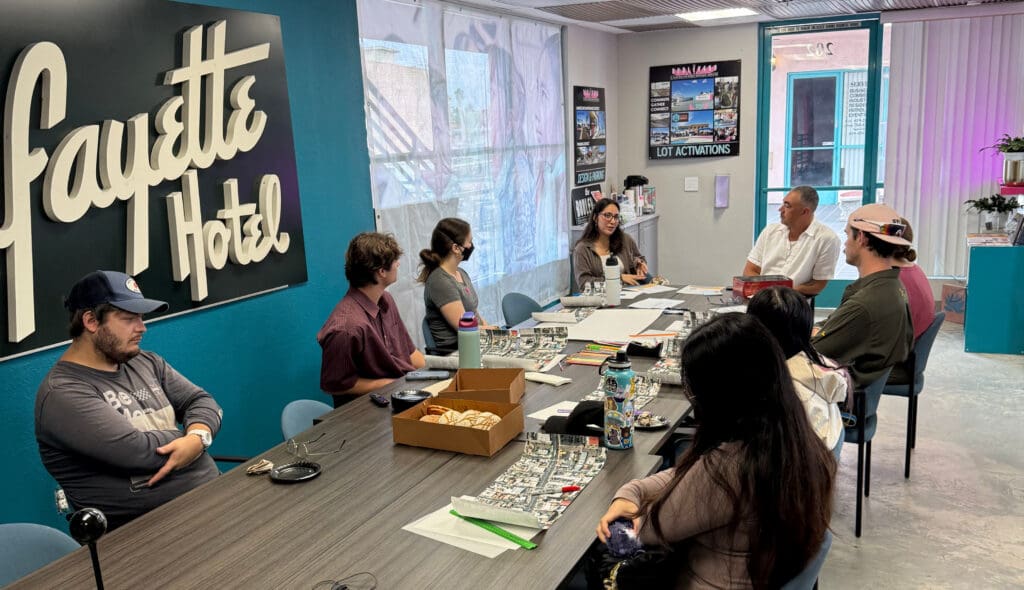
Every day, students, families, and workers travel along El Cajon Boulevard hoping they’ll make it safely to where they’re going. For too long, that hope has depended more on luck than on good street design—until the community decided to change the story. Thanks to the 2025 Community Change Grant program, funded by the Centers for Disease Control and Prevention (CDC), Bike San Diego (BikeSD) hosted the El Cajon Boulevard Safety Improvements Workshop, styled to invite community members to collaboratively brainstorm street improvements. This event is also referred to as a hackathon, an event where people team up and compete to find a creative solution to a pressing problem.
BikeSD is a non-profit working to make San Diego a more bikeable and livable city for all. Their people-powered organization works to advance safe, accessible, and inclusive active transportation networks as a critical solution to the climate crisis. BikeSD’s community outreach and innovative programs seek to introduce people of all ages and abilities to the joys and benefits of going by bike.
Why El Cajon Boulevard?
El Cajon Boulevard is a hotspot for accidents among vehicles, pedestrians, and bike users. The boulevard is a major east-west corridor that runs through multiple cities in San Diego County. Within the city alone, it stretches 8.5 miles, traversing the neighborhoods of University Heights, North Park, Teralta West, Teralta East, Talmadge, City Heights, El Cerrito, and Colina Del Sol. The configuration of this road is similar to a highway; the lanes are wide, and there are long stretches of road without crosswalks or other design features to help slow cars down. The corridor is intersected by two north-south running freeways, the I-805 and the CA-15.
Along the corridor of focus, there are regular incidents caused by speeding vehicles, low visibility, and distracted and impaired driving. There are several sensitive-use sites—for example, a high school where there are students and faculty who walk, bike, and take transit. The community it is situated in has historically unmet needs, such as lacking safe infrastructure.
During the hackathon, participants spoke about their personal experiences navigating El Cajon Boulevard. Participants regularly walk, bike, and use transit along the corridor. Their testimony and feedback reflected a variety of lived experiences. They shared their struggles to reach their destinations due to sidewalk inconsistencies and close encounters with cars. A topic that came up frequently was crossing the road, which is challenging due to substantial distance between crosswalks, limited pedestrian crossing signage, and lack of wayfinding. Likewise, cyclists encounter issues with cars turning right and failing to see them.
Impact and Future Plans
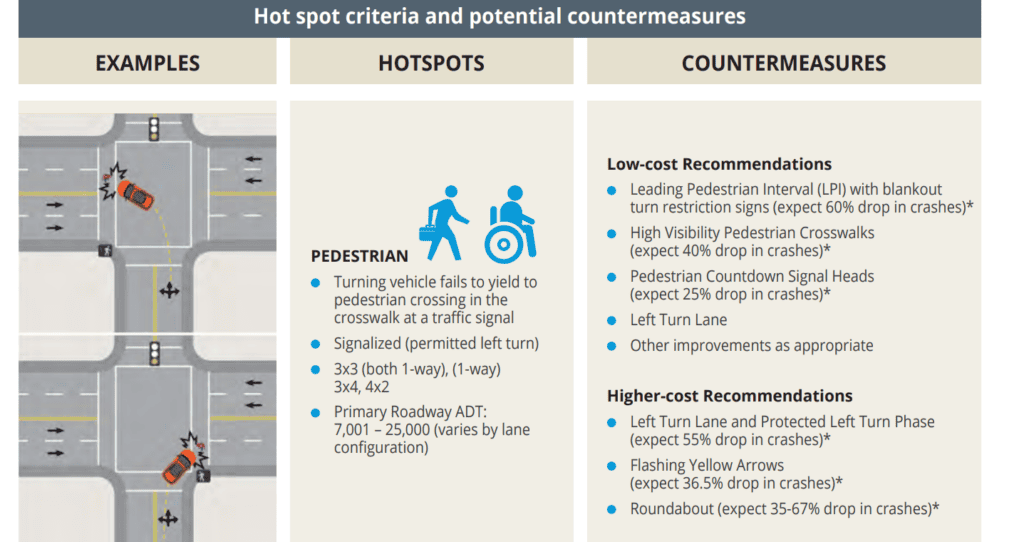
In October 2015, the City of San Diego joined a growing list of cities around the United States and the world to become a Vision Zero City. The city would like to make it safer for pedestrians, which includes updating areas that see a lot of incidents. There are a lot of local organizations pushing for better infrastructure, especially along El Cajon Boulevard, which allows us to work with others to see real change in our community.
BikeSD plans to continue interacting with the community and educating on what can be done to see changes in San Diego. Although their work focuses on bike infrastructure and accessibility, they aim to make the city a more inclusive environment for all modes of transportation.
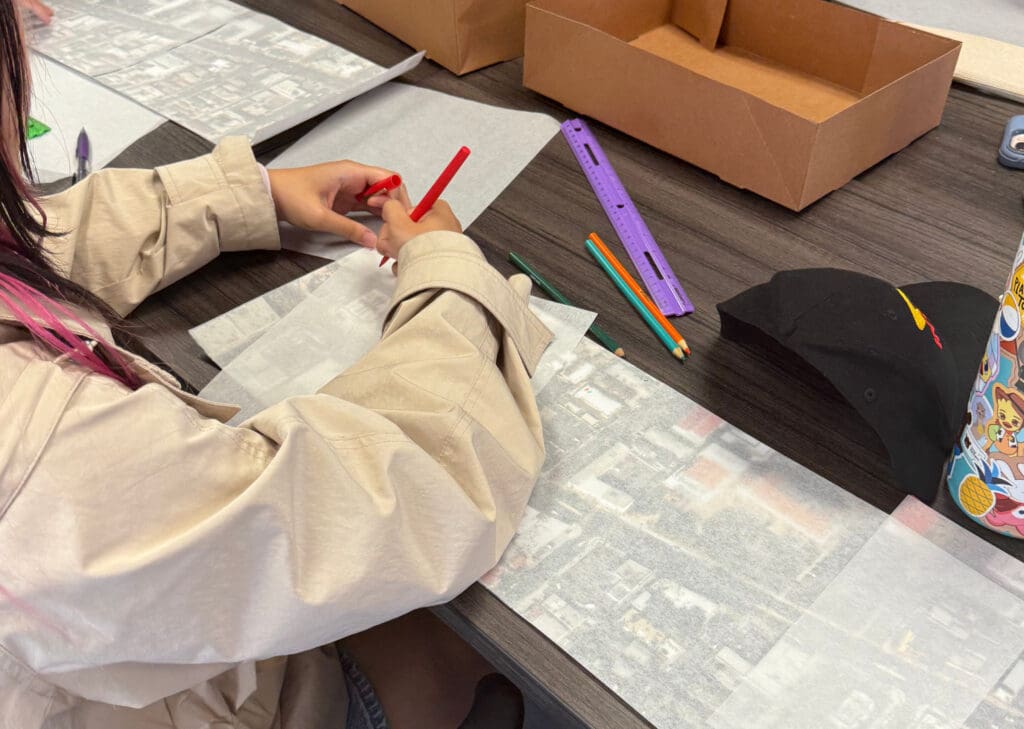
View the full El Cajon Boulevard Safety Improvements Workshop report below.
This publication was made possible by the Centers for Disease Control and Prevention (CDC) (Contract #47QRAA20D003W). Its contents are solely the responsibility of the authors and do not necessarily represent the official views of CDC. These efforts are part of the CDC’s Active People, Healthy NationSM Initiative that is working to help 27 million Americans become more physically active by 2027.