

By Dr Owen Hawe
In many neighborhoods, the gas station has quietly become the community hub. It’s where you pick up milk, bump into a neighbor or grab a coffee, and you almost certainly drove there. These places were shaped by planning and transportation decisions that made driving the easiest option.
The alternative is known as active living: a way of life that builds physical activity into everyday routines. It isn’t about gym memberships or running clubs. It’s walking your kids to school, cycling to the store or strolling to the park because that’s the natural choice. The evidence linking these everyday habits to better health is robust. So why are so many places still built in ways that make active living hard?
For most of history, towns were built for walking because there was no alternative. In the 20th century, America rebuilt its streets, zoning rules, and neighborhoods around the car, an extraordinary achievement that transformed mobility and opportunity. But in becoming very good at designing for driving, we often forgot to design for walking.
What I Found in Belfast
I walked and compared four neighborhoods in Northern Ireland’s Belfast. Each was a similar distance from the city center and ranging from some of the city’s most affluent areas to some of its most disadvantaged. The contrast revealed that walkability is about more than any single factor.
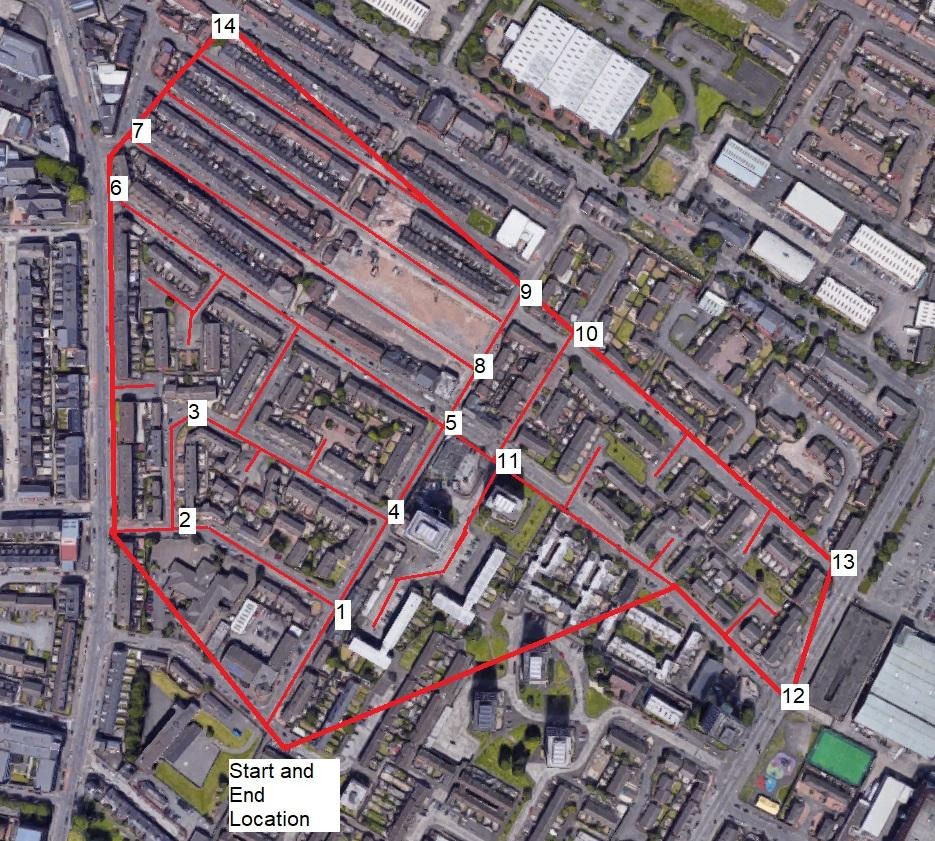
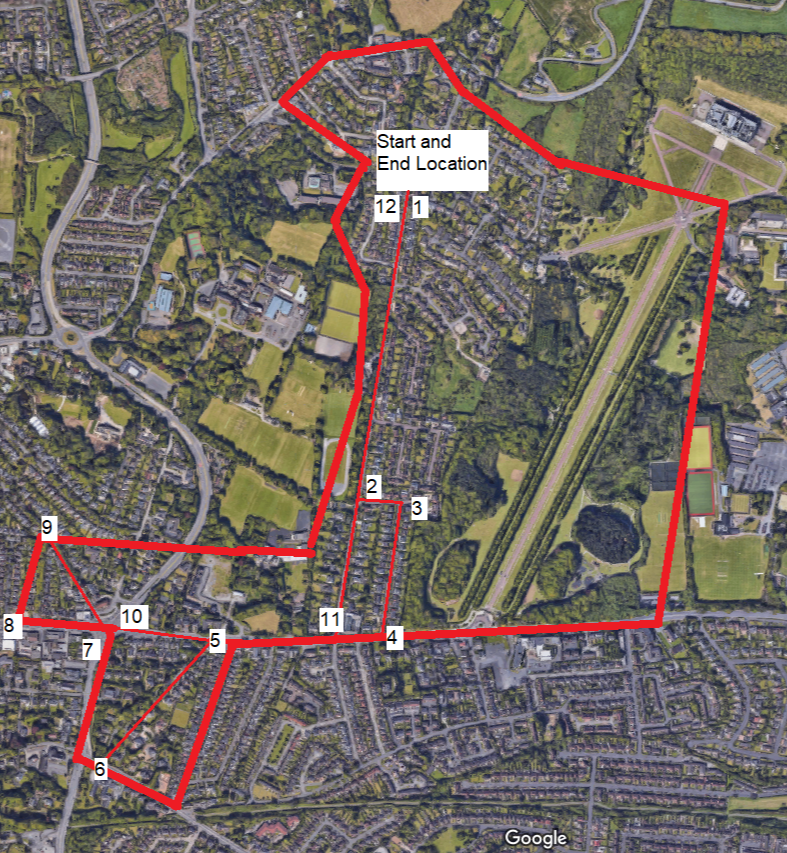
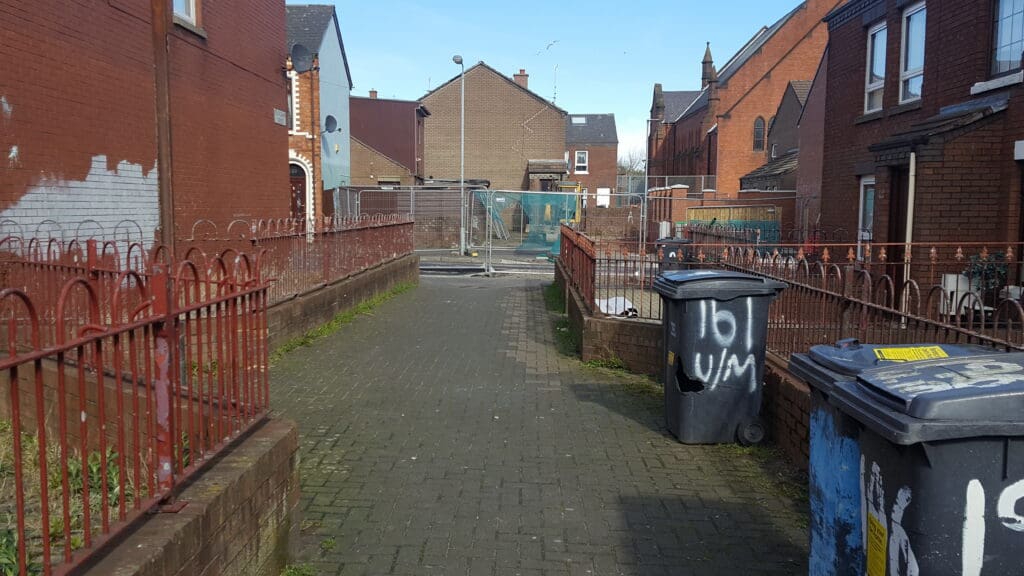
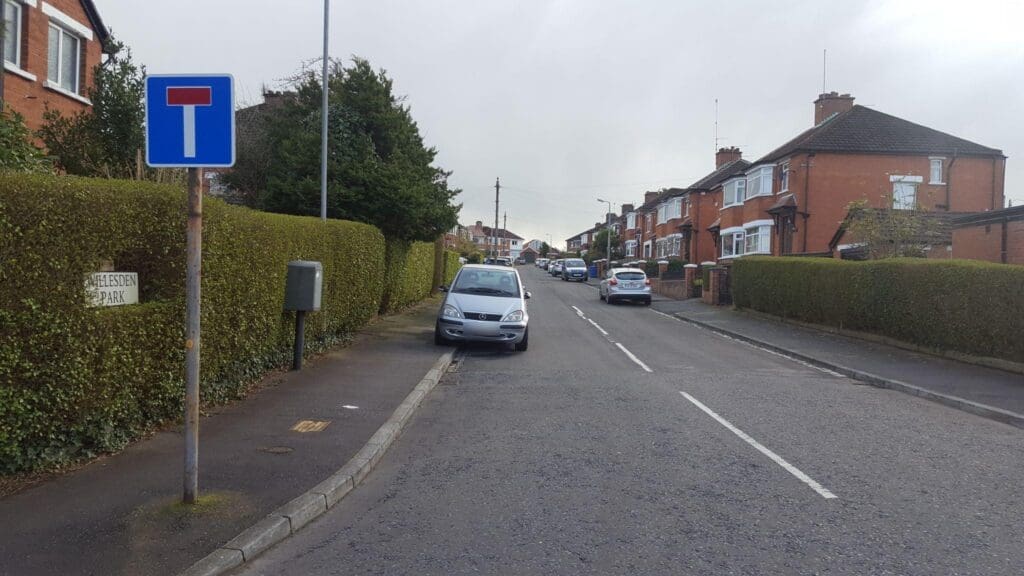
The lower-income neighborhoods were easier to navigate on foot, with connected streets and shops close by, but suffered from neglect and a less welcoming public environment. The wealthier neighborhoods felt greener, safer and more attractive, yet their spread-out layouts made everyday life more car-dependent. The best places combine all three things a good walking environment needs: streets that make walking possible, surroundings that make it enjoyable, and places that bring people together.
Mind the Gap
Here’s the frustrating part. Plans and policies are often full of the right ingredients: walkable streets, connected neighborhoods, and accessible green space. Yet good intentions on paper do not always translate into walkable places in practice, a policy-practice gap.
Part of the reason is that places are asked to be many things at once:
- We want walkable streets, but require big parking lots.
- We want slow, narrow streets, but require them wide enough for the largest fire truck.
- We want corner shops, but zone them out of residential areas.
Each rule makes sense on its own. Together, they pull in different directions, and with planners, engineers, architects, and developers all balancing different priorities, good ideas can get diluted along the way. As the old saying goes, a camel is a horse designed by committee.
Money matters, too. When budgets tighten, the features that support walking are often the first to go. And it is far easier to design a walkable place from scratch than to retrofit one later.
But change does not have to be dramatic to create dramatic change. New York’s pedestrianization of Times Square showed what is possible on a grand scale, yet pocket parks, street trees, safer crossings, better lighting, and shopfronts that face the street can make a real difference too.
What You Can Do
- Find out what’s already promised. Your city’s comprehensive plan, transportation plan, or health strategy may already support walkability. Often, the strongest argument is reminding decision-makers of goals they have already endorsed.
- Make the economic case. Decisions are usually driven by costs and benefits. Healthier residents, busier local businesses and streets people want to spend time on are economic arguments, not nice-to-haves.
- Get involved early. Once a project is approved, it’s much harder to change. The earlier you get involved, the more influence you are likely to have.
- Walk your streets and write it down. Note the missing sidewalks, the crossings that feel unsafe, the shortcuts that are blocked. Photos and notes from residents are powerful evidence.
You know your neighborhood better than any outside expert. You know which crossings feel unsafe and which shortcuts people use, and often planners won’t know about a problem unless someone tells them. What planners can add is how to get it fixed: which plan, which department, which pot of money. Together, that’s what gets things changed.
Keeping Research Alive
During my research, an architect told me: “Don’t let your doctorate sit on the shelf. It can be useful, and therefore it should be useful.” That stuck with me. It’s why I’m developing ALIVE, the Active Living Index for Vibrant Environments, a framework that scores how well a place supports active living, identifies the improvements that would make the biggest difference, and maps out how to fund them.
If you’d like to know more, or would be interested in assessing your own neighborhood together, I’d love to hear from you.

Email Dr Owen Hawe at owenhawe.planner@gmail.com, and follow him on LinkedIn here.
Dr Owen Hawe is a UK-based urban planner whose PhD research examined why policies supporting walkable, healthy places so rarely translate into what gets built. He is developing ALIVE (the Active Living Index for Vibrant Environments), a framework to help communities identify and fund improvements that support active living.

